Alphabet Infographic M: A Visual Tool for Learning and Communication
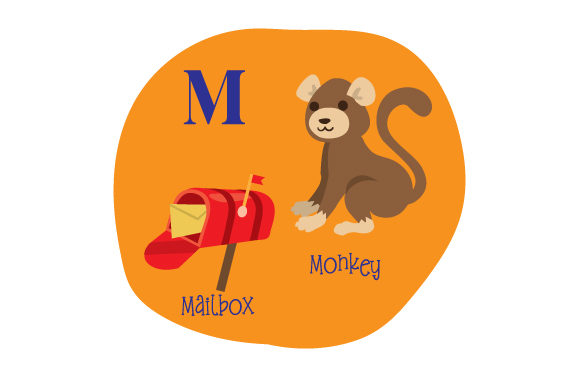
Alphabet Infographic M is a dynamic visual resource designed to simplify the understanding of the alphabet through engaging, easy-to-digest graphics. Whether used in classrooms, homes, or digital platforms, this infographic provides a structured and visually appealing way to introduce and reinforce letter recognition. Available in multiple formats including SVG File, Transparent PNG, EPS, DXF, and more, it offers flexibility for educators, designers, and parents who want to integrate high-quality educational visuals into their projects.
Understanding the Role of Alphabet Infographic M
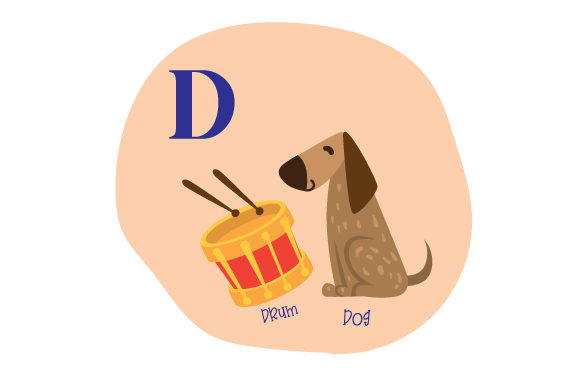
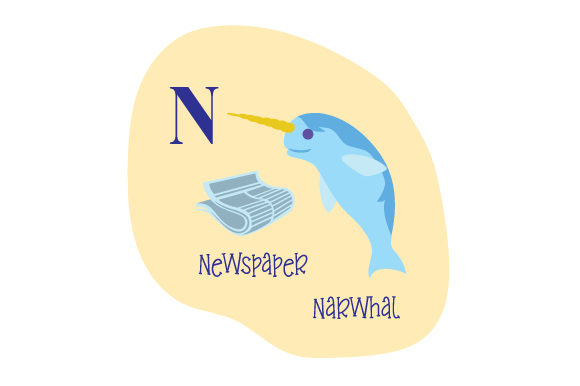
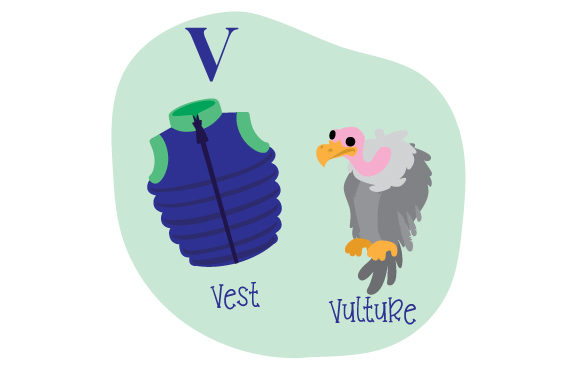
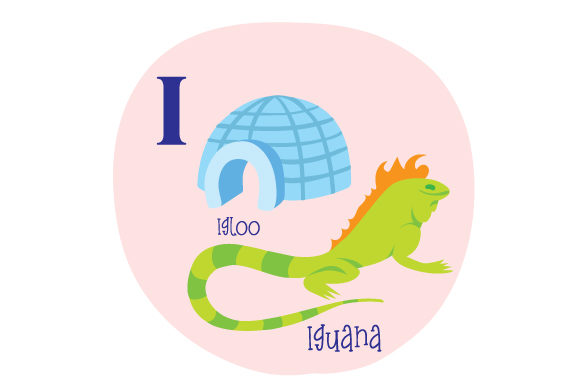
At its core, Alphabet Infographic M is more than just a colorful chart—it's a communication tool that supports early literacy and language development. It combines typography, imagery, and design principles to create an intuitive learning experience. Each letter is presented with consistent visual cues, helping users associate sounds with symbols in a memorable way.
This infographic is especially useful for visual learners who benefit from seeing patterns and connections. It can also aid individuals with learning differences, offering a non-threatening, engaging format that reduces the intimidation factor often associated with traditional learning materials.
Challenges and Goals in Alphabet Learning
Many learners, especially young children and those learning English as a second language, struggle with letter recognition and phonics. Traditional methods such as flashcards or rote memorization can feel repetitive and may not resonate with all learners. The goal for educators and parents is to find tools that are both effective and engaging—resources that keep learners motivated and help them retain information long-term.
Alphabet Infographic M addresses these challenges by transforming the learning process into a visually stimulating activity. It allows for a more interactive experience, whether displayed on a wall, embedded in a digital lesson, or printed for hands-on use. The result is a more enjoyable and effective way to teach and reinforce the alphabet.
How Alphabet Infographic M Supports Learning
One of the key strengths of Alphabet Infographic M is its adaptability. Because it's available in multiple file formats, it can be easily integrated into various learning environments:
- Classroom use: Teachers can print the infographic in large format and display it in learning centers or use digital versions during interactive lessons.
- Home learning: Parents can download the Transparent PNG or SVG File to create personalized learning spaces or use the images in digital storybooks.
- Design projects: Graphic designers can incorporate the EPS or DXF versions into educational apps, posters, or branded learning materials.
By presenting the alphabet in a visually consistent format, Alphabet Infographic M helps learners make stronger associations between letters and their corresponding sounds. This consistency is crucial for building phonemic awareness, which is a foundational skill for reading and writing.
Practical Applications and Real-World Use Cases
Alphabet Infographic M is not limited to traditional learning settings. It has practical applications across a wide range of scenarios:
- Early childhood education: Daycare centers and preschools can use it as a daily reference tool to reinforce letter shapes and sounds.
- Special education: Students with dyslexia or other learning challenges may benefit from the visual clarity and structured layout.
- Language learning: ESL (English as a Second Language) instructors can use it to introduce basic vocabulary and pronunciation.
- Remote learning: Homeschooling parents or online educators can embed the SVG File into digital lessons or use it in virtual whiteboards.
Additionally, Alphabet Infographic M can be customized for branding or thematic learning. For example, a teacher might pair it with a space-themed classroom layout or a designer could integrate it into a literacy-focused mobile app. The flexibility of the file formats allows for creative and functional integration into various educational ecosystems.
Choosing the Right Format for Your Needs
Understanding which file format to use depends on your specific application:
- SVG File: Best for web use and digital platforms where scalability is important. SVGs maintain quality at any size and can be edited with code or graphic design software.
- Transparent PNG: Ideal for overlaying on backgrounds or integrating into digital documents and presentations without visible borders.
- EPS: Suitable for high-quality print materials and professional design work, especially in vector-based software like Adobe Illustrator.
- DXF: Often used in laser cutting or engraving projects, making this format useful for physical educational tools like wooden letter puzzles or tactile learning aids.
Choosing the right format ensures that Alphabet Infographic M can be used effectively in your intended setting, whether digital or physical.
Customization and Integration Tips
One of the advantages of Alphabet Infographic M is that it can be customized to suit different learning styles and environments. Here are a few tips to maximize its effectiveness:
- Add interactive elements: Pair the infographic with clickable links or voiceovers in digital formats to create a multimedia learning experience.
- Print and laminate: For classroom use, print the infographic on durable material and laminate it for repeated use.
- Use in combination with activities: Create matching games, scavenger hunts, or letter tracing exercises that correspond with the letters in the infographic.
- Integrate with storytelling: Use the infographic as a reference point while reading aloud, pointing out letters as they appear in words.
These strategies help transform a static visual into a dynamic learning tool, making Alphabet Infographic M more than just a reference chart—it becomes a central part of the learning process.
Who Benefits Most from Alphabet Infographic M?
While Alphabet Infographic M is particularly valuable for young learners, its benefits extend to a wide audience:
- Children aged 3–7: At the core of early literacy development, this age group benefits from consistent visual reinforcement of letter shapes and sounds.
- Adult learners: Those learning English as a second language can use the infographic to build foundational vocabulary and pronunciation skills.
- Educators and curriculum designers: Professionals looking to enhance their materials with visually engaging content will find it a versatile and reusable resource.
- Parents and caregivers: Individuals supporting home-based learning can easily access and implement the infographic to create a literacy-rich environment.
Each group may approach the use of Alphabet Infographic M differently, but the underlying benefit remains the same: it makes learning the alphabet more accessible, engaging, and effective.
Conclusion: A Valuable Addition to Any Learning Toolkit
Alphabet Infographic M is more than just a design—it's a practical solution for educators, parents, and learners seeking a more engaging way to teach and understand the alphabet. Its multi-format availability ensures it can be used in a variety of educational settings, while its clean, visual design supports cognitive development and retention. Whether you're teaching in a classroom, guiding a child at home, or designing educational content, Alphabet Infographic M offers a flexible, impactful way to enhance learning outcomes.