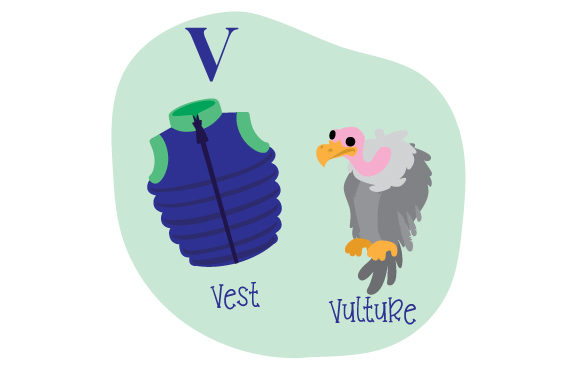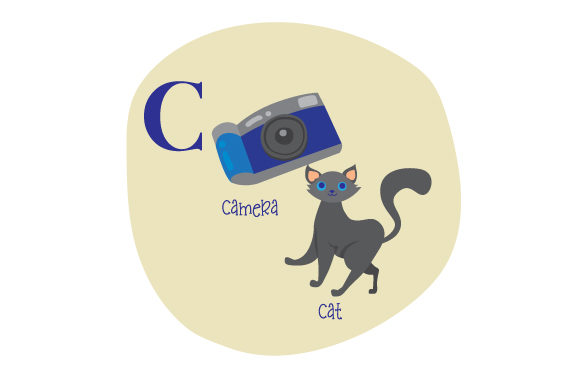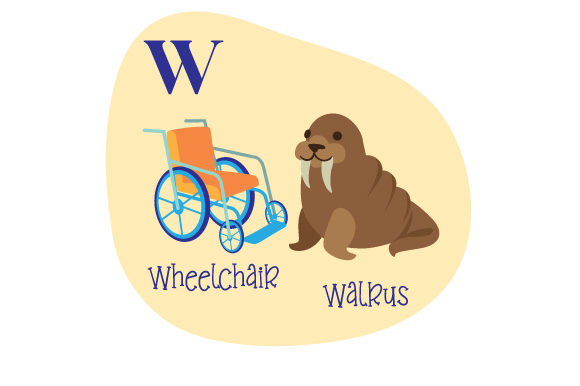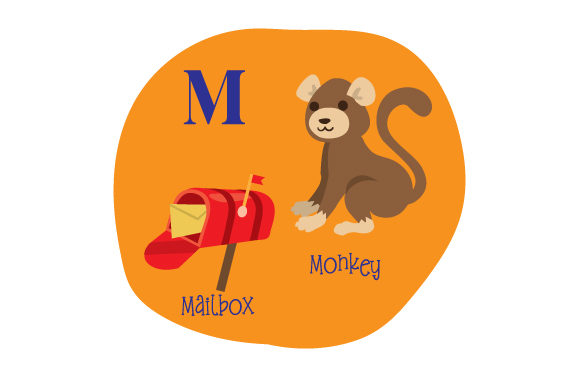
Alphabet Infographic D: A Clear and Versatile Visual Tool for Learning and Communication
Alphabet Infographic D is a specialized visual resource designed to present alphabet-related information in a structured, easy-to-digest format. Whether used for educational purposes, design projects, or informational displays, this infographic stands out for its clarity, adaptability, and visual appeal. Available in multiple formats including SVG, Transparent PNG, EPS, and DXF, it offers flexibility for both digital and print applications. Understanding its unique features and how it compares to other visual tools can help users make informed decisions about its suitability for specific needs.
What Sets Alphabet Infographic D Apart
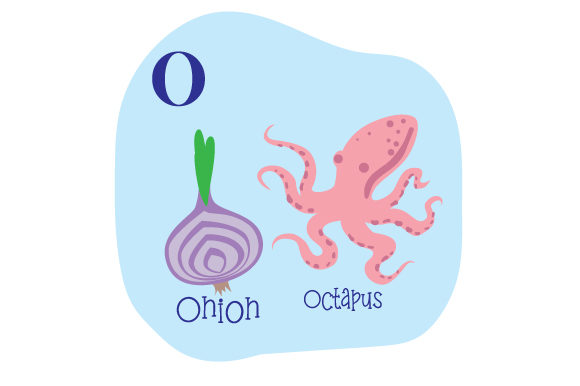
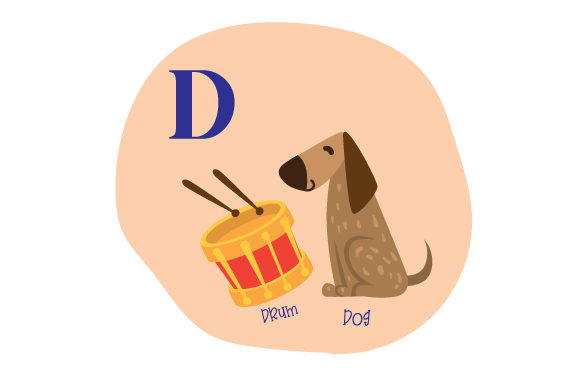
Unlike generic alphabet charts or basic infographics, Alphabet Infographic D is crafted with a focus on design precision and information hierarchy. It typically integrates letterforms with supporting visuals, color coding, or contextual elements that enhance comprehension. The design balances simplicity with visual interest, making it suitable for audiences ranging from young learners to professionals needing clear reference materials.
One of its key strengths is the availability in multiple file formats. SVG files allow for scalable vector graphics ideal for websites and digital platforms, while Transparent PNGs are excellent for overlaying on different backgrounds. EPS ensures high-quality printing at any size, and DXF files cater to CAD or laser-cutting applications, expanding the infographic’s utility beyond traditional use cases.
How It Compares to Similar Visual Tools
When compared to other alphabet-based visuals—such as standard flashcards, wall posters, or online interactive tools—Alphabet Infographic D offers a more cohesive and adaptable presentation. Traditional alphabet charts often lack the visual depth and customization options that make infographics effective in both educational and design contexts.
- Standard Flashcards: While useful for memorization, they lack the contextual and visual richness that infographics provide.
- Wall Posters: Often static and limited in format, they may not be suitable for digital reuse or integration into presentations.
- Interactive Online Tools: These can be engaging but may require internet access and technical support, unlike downloadable infographics.
Alphabet Infographic D bridges the gap between static and dynamic resources by offering a reusable, high-quality visual that can be adapted to various platforms and audiences.
Strengths and Practical Use Cases
One of the most notable strengths of Alphabet Infographic D is its versatility. Because it is available in multiple formats, it can be integrated into a wide range of applications:
- Educational Materials: Teachers and homeschoolers can use it as a reference chart, activity guide, or part of a larger curriculum.
- Design Projects: Graphic designers can incorporate it into presentations, websites, or marketing materials without quality loss.
- DIY and Crafts: The DXF version allows for cutting letters precisely using laser or CNC machines, ideal for signage or decorative elements.
Its design also supports different learning styles. Visual learners benefit from the clear layout and color coding, while tactile learners can engage with printed or cut versions. This multi-sensory appeal makes it a valuable tool across age groups and learning environments.
Tradeoffs and Limitations
Despite its many benefits, Alphabet Infographic D is not universally ideal for every situation. For instance, if the goal is to teach phonics or word formation rather than letter recognition, more interactive or audio-based tools may be more effective. Additionally, users who are not comfortable working with digital files may find the initial setup or customization process challenging without some basic design knowledge.
Another consideration is the level of detail. While the infographic is designed for clarity, it may not include advanced linguistic features such as diacritics, multilingual support, or extended character sets. Those requiring such features may need to look for specialized alternatives or customize the design further.
When Alphabet Infographic D Is the Right Choice
This infographic is particularly well-suited for users who value high-quality, reusable visual content. It is ideal for:
- Classroom educators seeking a durable, visually engaging alphabet reference.
- Designers needing scalable, editable alphabet visuals for digital or print media.
- Crafters and makers looking for precise letter templates for physical projects.
If your goal is to have a consistent, professional-looking alphabet resource that can be adapted across multiple mediums, Alphabet Infographic D is a strong contender.
When to Consider Alternatives
There are situations where alternative tools might better serve your needs. If you're looking for real-time interactivity, such as voice pronunciation or drag-and-drop letter games, a digital app or online platform may be more appropriate. Similarly, for early learners who benefit from tactile engagement, physical letter sets or textured alphabets could provide a more immersive experience.
Additionally, if you need an alphabet system that supports multiple languages or includes advanced typographic features, you may need to explore more specialized resources or customize the existing infographic to meet those requirements.
Making the Decision: Key Factors to Consider
Choosing whether to use Alphabet Infographic D depends on several practical factors:
- Purpose: Is the goal to teach, decorate, design, or create a physical object?
- Format Needs: Do you require digital adaptability, print quality, or machine-cut precision?
- Audience: Who will be using the infographic, and what are their learning or engagement preferences?
- Customization Level: Will you need to edit colors, fonts, or layout, and do you have the tools to do so?
By evaluating these aspects, users can determine whether Alphabet Infographic D aligns with their goals or if another resource might be more effective.
Real-World Examples and Applications
Consider a teacher preparing a bilingual classroom. They might use the Transparent PNG version of Alphabet Infographic D as a base and overlay it with translated labels or phonetic guides. A graphic designer creating a brand identity for a children's product line could integrate the SVG version into packaging, ensuring consistent and professional lettering. Meanwhile, a maker using a laser cutter could rely on the DXF file to produce custom wooden alphabet puzzles or signage.
These examples highlight how the same infographic can be applied in diverse contexts, demonstrating its practical value and adaptability.