Understanding the Set of Viruses in Digital Workflows and Creative Processes
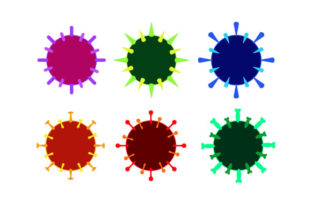
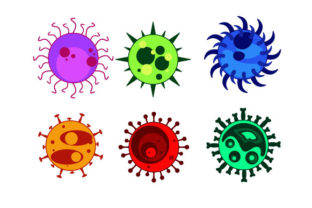
When discussing digital assets, tools, and resources, it's essential to understand how each component fits into a broader creative or operational workflow. The Set of Viruses—a collection typically represented in formats like vector EPS and JPG—plays a unique role in design, education, and even cybersecurity awareness. While the term "virus" often carries negative connotations, in this context, it refers to visual representations that can be integrated into presentations, educational materials, and creative projects to convey concepts related to digital threats, biological pathogens, or abstract danger.
Where the Set of Viruses Fits in a Workflow
The Set of Viruses is most commonly used in visual storytelling, educational content creation, and cybersecurity training materials. It serves as a symbolic asset that helps communicate complex ideas through imagery. Whether you're a graphic designer working on a health-related infographic or a cybersecurity professional developing training modules, this set can be a valuable visual aid.
In a typical creative workflow, such assets are introduced during the design phase, where visual elements are selected to support the narrative or message. For example, when creating a presentation about online safety, inserting virus icons from this set can help illustrate points about malware, phishing, or system vulnerabilities.
Using the Set of Viruses Across Project Stages
The flexibility of the Set of Viruses allows it to be used at various stages of a project:
- Pre-planning: During brainstorming or moodboarding, visual assets like this can inspire design direction or theme development.
- Design phase: The EPS and JPG files can be directly integrated into layout tools like Adobe Illustrator, Photoshop, or Canva to create visuals for reports, websites, or social media.
- Post-production: These graphics can be repurposed into templates, reused in future projects, or archived for consistent branding across materials.
For educators, the set might be used in lesson plans or digital handouts to explain biological viruses or computer malware. For marketers, it can be a visual tool in campaigns about digital hygiene or health awareness.
Integration with Other Tools and Resources
To maximize the utility of the Set of Viruses, it's important to consider how it interacts with other elements in your toolkit:
- Design software: The vector EPS format is ideal for scalable illustrations in Adobe Illustrator, while the JPG version works well in more general-purpose tools like PowerPoint or Google Slides.
- Content management systems: These files can be uploaded directly into platforms like WordPress, Wix, or Squarespace for use in blog posts, landing pages, or educational portals.
- Collaboration tools: Sharing the set with team members via cloud storage or project management platforms ensures consistency in branding and messaging.
When used alongside infographics, flowcharts, or data visualizations, these virus graphics can enhance the clarity of technical explanations or risk assessments.
Practical Implementation Tips for Using the Set of Viruses
Here are several actionable tips to help you incorporate the Set of Viruses effectively into your workflow:
- Establish visual consistency: Match the style of the virus graphics to the overall design aesthetic of your project. If your materials use flat design, ensure the icons align with that style.
- Use layering for emphasis: In design tools like Photoshop, layer virus graphics over backgrounds or text to draw attention to key points.
- Customize for clarity: Adjust colors or add labels to the graphics to better suit your message, especially when targeting specific audiences like students or IT professionals.
- Archive for reuse: Save modified versions of the graphics in a shared folder so they can be reused in future projects without re-editing.
For example, a cybersecurity firm creating a whitepaper might use the virus graphics to visually represent different types of malware, making the document more engaging and easier to digest.
Ensuring Compatibility and Usability
One of the advantages of the Set of Viruses is its dual format offering—EPS for high-quality vector editing and JPG for quick insertion into everyday documents. This ensures compatibility across both professional and casual use cases.
However, it's important to test how these graphics render on different platforms and devices. For instance, vector graphics maintain quality at any size, making them ideal for print or high-resolution screens, while JPGs may pixelate when scaled too large. Always preview your work on multiple devices to ensure visual integrity.
Organizing and Managing the Set of Viruses
As with any digital asset, proper organization is key to long-term usability. Consider the following practices:
- File naming: Use descriptive names like “virus-icon-malware.eps” or “bacteria-illustration.jpg” to make searching easier.
- Folder structure: Store the set in a dedicated “Icons” or “Graphics” folder within your asset library, with subfolders for categories like “Health,” “Security,” or “Technology.”
- Metadata tagging: If your DAM (Digital Asset Management) system supports it, tag the files with keywords like “malware,” “cybersecurity,” “health,” and “illustration” for faster retrieval.
By maintaining a clean and searchable digital asset structure, you ensure that the Set of Viruses remains a valuable and accessible resource across projects and teams.
Long-Term Value and Reusability
The Set of Viruses isn’t just a one-time-use asset. Its value increases over time as it becomes part of your recurring design or communication strategy. For instance, a university course on digital safety might use these graphics year after year in lecture slides, handouts, and online modules.
To maintain relevance, periodically review how the graphics align with current design trends or educational standards. Minor updates—like adjusting color palettes or adding annotations—can keep the visuals fresh without requiring a complete redesign.
Real-World Use Cases Across Professions
Here are a few examples of how different professionals might incorporate the Set of Viruses into their work:
- Educators: Use virus illustrations in biology classes to explain how pathogens interact with cells or in computer science courses to teach about digital threats.
- Marketers: Feature the graphics in campaigns about online safety, antivirus software, or public health initiatives.
- Designers: Integrate the icons into infographics, app interfaces, or website banners to visually communicate risk or protection.
- Entrepreneurs: Incorporate the visuals into pitch decks or investor reports when explaining cybersecurity risks or health-tech innovations.
Each of these applications demonstrates how a single asset set can serve multiple industries and use cases when integrated thoughtfully into the right context.
Conclusion: Making the Most of the Set of Viruses
In summary, the Set of Viruses is more than just a collection of graphics—it's a versatile tool that enhances communication, supports visual storytelling, and reinforces key messages across a wide range of professional and educational settings. Whether you're designing a presentation, developing training materials, or crafting a marketing campaign, integrating this set into your workflow can improve both efficiency and clarity.
By understanding how to prepare, implement, and maintain these assets, you ensure they remain a valuable part of your creative and operational toolkit for years to come.