Coughing Elbow Technique: A Simple Yet Effective Measure Against the Spread of the Coronavirus
In the wake of the global coronavirus pandemic, public health guidelines have emphasized the importance of hygiene and preventive behaviors. One such widely promoted practice is the coughing elbow technique—a simple method to reduce the spread of respiratory droplets that may carry the virus. This article explores the science behind this technique, its relevance in everyday life, and how it fits into broader public health strategies to combat the spread of infectious diseases like COVID-19.
What Is the Coughing Elbow Technique?
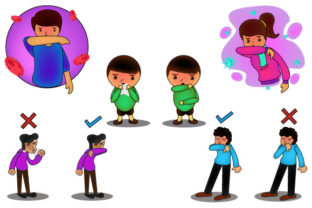
The coughing elbow technique refers to the act of covering one’s mouth and nose with the inside of the elbow when coughing or sneezing. This method is often recommended as an alternative to using hands, which can easily transfer germs to surfaces and other people.
This practice has been widely adopted during the coronavirus pandemic as a key component of respiratory etiquette. It's often taught in schools, workplaces, and public health campaigns around the world as a basic but effective way to prevent the transmission of viruses.
Why the Elbow?
Using the elbow to cover a cough or sneeze is more effective than using your hands because:
- Elbows are less likely to touch surfaces compared to hands, which frequently come into contact with doorknobs, phones, and shared objects.
- Reduced cross-contamination occurs when people use their elbows instead of their hands, minimizing the spread of germs.
- Easy to teach and remember, especially for children and large groups of people.
The Role of the Coughing Elbow in Preventing Coronavirus Transmission
The coronavirus (SARS-CoV-2) primarily spreads through respiratory droplets released when an infected person talks, coughs, or sneezes. These droplets can land in the mouths or noses of nearby individuals or be inhaled into the lungs. They can also settle on surfaces, where they can survive for varying lengths of time depending on the material.
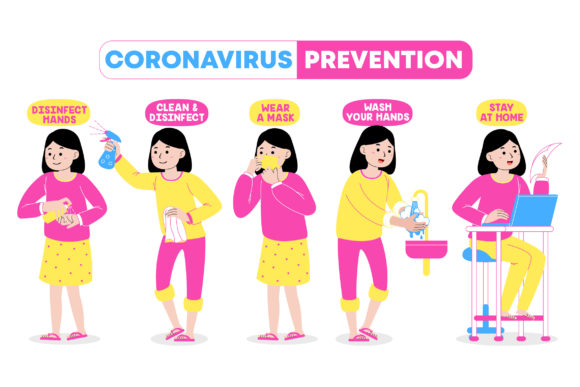
By using the coughing elbow method, individuals can significantly reduce the number of droplets released into the air and onto surfaces. While this technique alone is not a foolproof method of preventing infection, it is an essential part of a layered approach to disease prevention that includes mask-wearing, hand hygiene, and social distancing.
How Effective Is the Coughing Elbow?
Studies have shown that proper respiratory etiquette, including the elbow cough, can reduce the spread of respiratory illnesses in community settings. For example, during flu season or in crowded environments like schools and offices, adopting this simple habit can lower the risk of transmission.
During the coronavirus pandemic, health organizations like the World Health Organization (WHO) and the Centers for Disease Control and Prevention (CDC) have encouraged this practice as part of a broader set of mitigation strategies.
Common Misconceptions About the Coughing Elbow Technique
Despite its simplicity, some misconceptions persist about the coughing elbow technique. Here are a few common ones:
- “It’s only for kids.” While it’s often taught in schools, this technique is valuable for people of all ages, especially in public and crowded spaces.
- “It’s not necessary if I’m wearing a mask.” Masks are highly effective, but they can sometimes shift or slip. Using the elbow adds an extra layer of protection.
- “It’s too late if I already feel sick.” Practicing good respiratory hygiene should be a routine, not just when symptoms appear. Many people can spread the virus before showing symptoms.
How to Practice the Coughing Elbow Technique Correctly
Using the elbow to cover a cough or sneeze is straightforward, but doing it correctly ensures maximum effectiveness. Here’s how to do it right:
- Bend your arm so the inside of your elbow is close to your face.
- Turn your head slightly toward your elbow to direct droplets away from others.
- Cough or sneeze into the crook of your elbow, not your hand.
- Immediately wash your hands or use hand sanitizer if available, especially if your hands came into contact with any part of your face or clothing.
Teaching the Coughing Elbow to Children
Children often learn by imitation, so modeling good behavior is crucial. Schools and caregivers can reinforce this practice through visual aids, songs, and interactive lessons. For instance, many educators use posters or animated videos to demonstrate the correct way to cough or sneeze into the elbow.
Incorporating the coughing elbow technique into daily routines can help children internalize it as a normal and helpful habit.
Combining the Coughing Elbow with Other Preventive Measures
While the coughing elbow method is a useful tool, it works best when combined with other public health measures:
- Hand hygiene: Washing hands with soap and water for at least 20 seconds or using alcohol-based hand sanitizer helps eliminate any germs that may have been picked up from surfaces.
- Mask-wearing: In high-risk settings, wearing a mask provides additional protection by filtering out respiratory droplets.
- Social distancing: Keeping a safe distance from others, especially in indoor or crowded environments, reduces the chance of virus transmission.
- Vaccination: Getting vaccinated against the coronavirus and other infectious diseases is one of the most effective ways to protect yourself and others.
Real-World Examples of the Coughing Elbow in Action
In many Asian countries, including Japan and South Korea, the practice of covering one’s mouth when coughing or sneezing has long been a cultural norm. During the pandemic, this habit helped reduce the spread of the virus in public spaces. Similarly, in schools across the United States and Europe, educators emphasized the importance of the coughing elbow technique to protect students and staff.
Workplaces also adopted these practices, often posting visual reminders in restrooms and break rooms. Some companies even distributed posters or digital graphics, including the vector EPS and JPG files mentioned in this article, to promote awareness and compliance.
The Bigger Picture: Public Health and Personal Responsibility
The coughing elbow technique is more than just a way to avoid spreading germs—it’s a symbol of personal responsibility and community care. In a world increasingly connected through travel and technology, simple habits can have a profound impact on public health outcomes.
By adopting this technique and encouraging others to do the same, individuals contribute to a safer, healthier environment for everyone. It’s a small action that reflects a larger commitment to the well-being of our communities.
Visual Aids: Promoting the Coughing Elbow Technique
Visual communication plays a key role in public health education. The use of vector EPS and JPG files allows for the creation of clear, scalable, and professional graphics that can be used in posters, digital signage, and educational materials.
These visuals often include simple, step-by-step illustrations of the coughing elbow method, making it easier for people of all ages and literacy levels to understand and follow the guidelines.
Conclusion: A Small Habit with Big Benefits
In conclusion, the coughing elbow technique is a simple yet powerful tool in the fight against the spread of the coronavirus and other respiratory illnesses. By covering coughs and sneezes with the inside of the elbow, individuals can protect themselves and those around them.
Whether in schools, workplaces, or public spaces, this practice promotes a culture of hygiene and mutual care. When combined with other preventive measures like handwashing, mask-wearing, and vaccination, it contributes to a comprehensive strategy for public health safety.
So the next time you feel a cough or sneeze coming on, remember to turn to your elbow—not your hands. It’s a small action that makes a big difference.