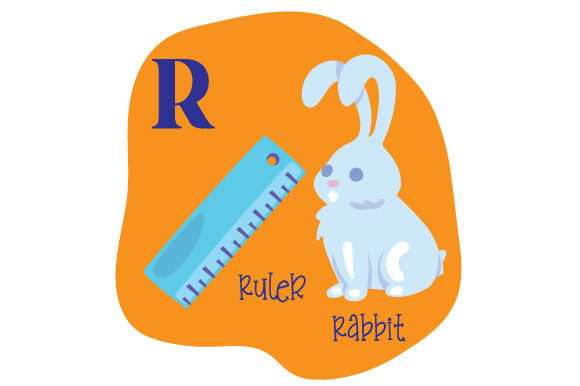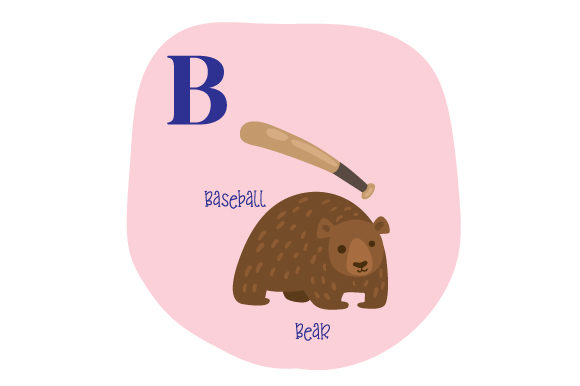
Alphabet Infographic B: Design, Use, and Creative Potential
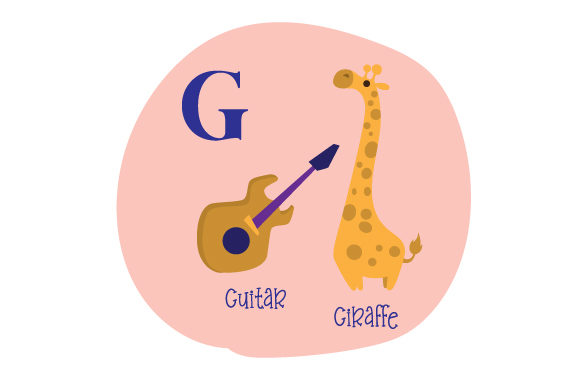
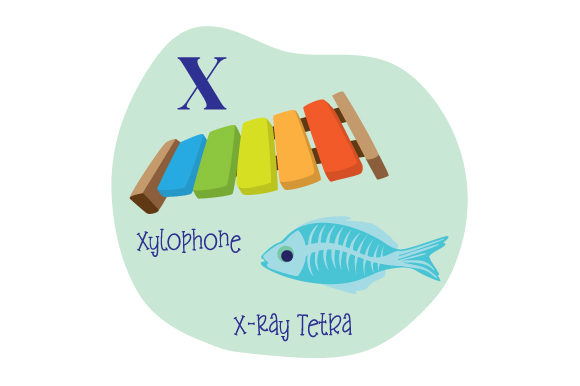
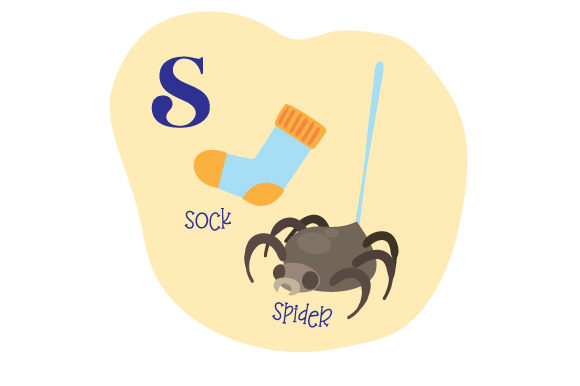
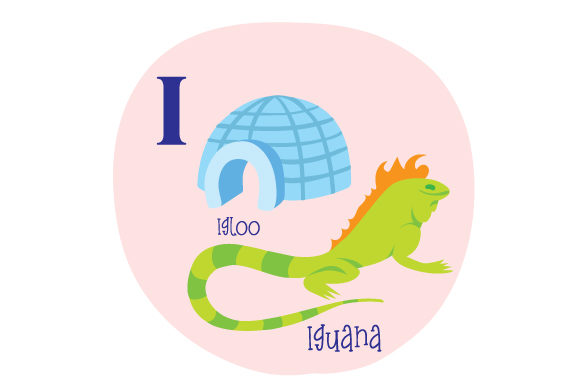
Alphabet Infographic B is more than just a visual alphabet—it's a flexible design tool that bridges typography, illustration, and data presentation. Whether you're a designer, educator, or content creator, this format offers a structured yet expressive way to communicate ideas. Built with clarity and adaptability in mind, it supports multiple file types including SVG, PNG, EPS, and DXF, making it suitable for both digital and print applications. What sets Alphabet Infographic B apart is its ability to serve both functional and artistic purposes without sacrificing readability or style.
Understanding the Design Elements
Each letter in Alphabet Infographic B is designed with a consistent visual rhythm, ensuring legibility while allowing room for customization. The SVG format enables scalable use without loss of quality, ideal for web graphics or mobile interfaces. The transparent PNG version is perfect for overlaying text on images or backgrounds, while EPS and DXF files support print design and laser cutting applications. This multi-format availability makes it a versatile asset across creative and technical workflows.
Creative Applications for Designers and Marketers
Designers can integrate Alphabet Infographic B into branding materials, infographics, presentations, and educational content. Its clean structure supports data visualization, where letters can represent categories, values, or labels in a visually engaging way. Marketers can leverage it for social media posts, campaign visuals, or product packaging, using the alphabet to reinforce brand messaging with a modern, cohesive look.
- Create interactive alphabet posters for language learning apps
- Design branded letter-based icons for website navigation
- Develop typographic infographics that combine data and storytelling
Adapting for Educational and Instructional Use
Educators and instructional designers can use Alphabet Infographic B to enhance literacy tools, language courses, and visual learning materials. The alphabet's structured layout supports early reading development, while its visual appeal keeps learners engaged. Teachers can customize the letters for classroom posters, flashcards, or digital lessons, and tailor the style to match different age groups or subject themes.
- Design letter-of-the-day charts for young learners
- Build interactive alphabet walls in digital learning platforms
- Illustrate vocabulary with letter-based icons in language apps
Entrepreneurial and Freelance Opportunities
Freelancers and small business owners can incorporate Alphabet Infographic B into client projects, product designs, and marketing assets. Whether designing a logo system, developing a branded font, or creating digital assets for resale, this format provides a professional foundation that can be tailored to different industries. Its compatibility with design software and cutting machines opens doors for merchandise, signage, and custom stationery.
- Sell customizable alphabet templates on creative marketplaces
- Create themed letter sets for seasonal campaigns or events
- Design modular branding kits that use letters as visual elements
Customizing Style and Visual Identity
One of the strengths of Alphabet Infographic B is its adaptability to different design styles. Whether minimalist, bold, playful, or technical, the base structure allows for a wide range of interpretations. Designers can experiment with color schemes, textures, gradients, and effects while maintaining the integrity of the original layout. This flexibility ensures that the alphabet can align with brand identities, editorial themes, or personal creative projects.
For example, a soft pastel version can suit a children's book layout, while a high-contrast monochrome design might work for a corporate report. Adding subtle shadows or outlines can enhance depth without compromising clarity. The key is to balance visual appeal with legibility, especially when the alphabet is used for informational or instructional content.
Technical Uses Beyond the Screen
Thanks to the inclusion of EPS and DXF files, Alphabet Infographic B extends beyond digital design into physical fabrication. Crafters, makers, and product designers can use these files for laser cutting, vinyl cutting, or CNC engraving. This opens up possibilities for creating tactile alphabets, signage, home decor, or custom apparel. The precision of the vector-based design ensures that each letter maintains its shape and detail at any scale.
- Create custom wall art using laser-cut wood or acrylic letters
- Design personalized name signs or monogrammed gifts
- Produce tactile learning tools for visually impaired users
Maintaining Consistency Across Projects
When working with Alphabet Infographic B across different formats and applications, maintaining visual consistency is essential. Establishing a style guide—whether for color, spacing, or layout—ensures that the alphabet remains cohesive throughout a project. For digital use, setting up reusable components in design tools like Figma or Adobe XD helps streamline the workflow. For physical production, checking scale and resolution before cutting or printing prevents errors.
Consistency also plays a role in accessibility. Ensuring sufficient contrast between letters and backgrounds, avoiding overly decorative treatments that compromise readability, and using appropriate font sizes all contribute to an inclusive design. These considerations are especially important when the alphabet is used in educational, informational, or public-facing contexts.
Inspiring New Directions
Alphabet Infographic B is not just a design asset—it's a starting point for creative exploration. Whether you're building a visual identity, developing an educational tool, or crafting a physical product, this alphabet offers a foundation that can be shaped to fit diverse needs. By combining technical precision with creative flexibility, it empowers designers, educators, and entrepreneurs to communicate ideas clearly and compellingly across media.
As you experiment with Alphabet Infographic B, consider how each format can serve your specific goals. Explore variations in style, test different applications, and push the boundaries of how letters can function in visual storytelling. With thoughtful use, this alphabet can become a powerful part of your creative toolkit.